Saturn return: the great test of age 29
When Saturn comes back to its position in your birth chart, at around age 29, adulthood's first major review begins. Here is what this period brings and how to meet it.
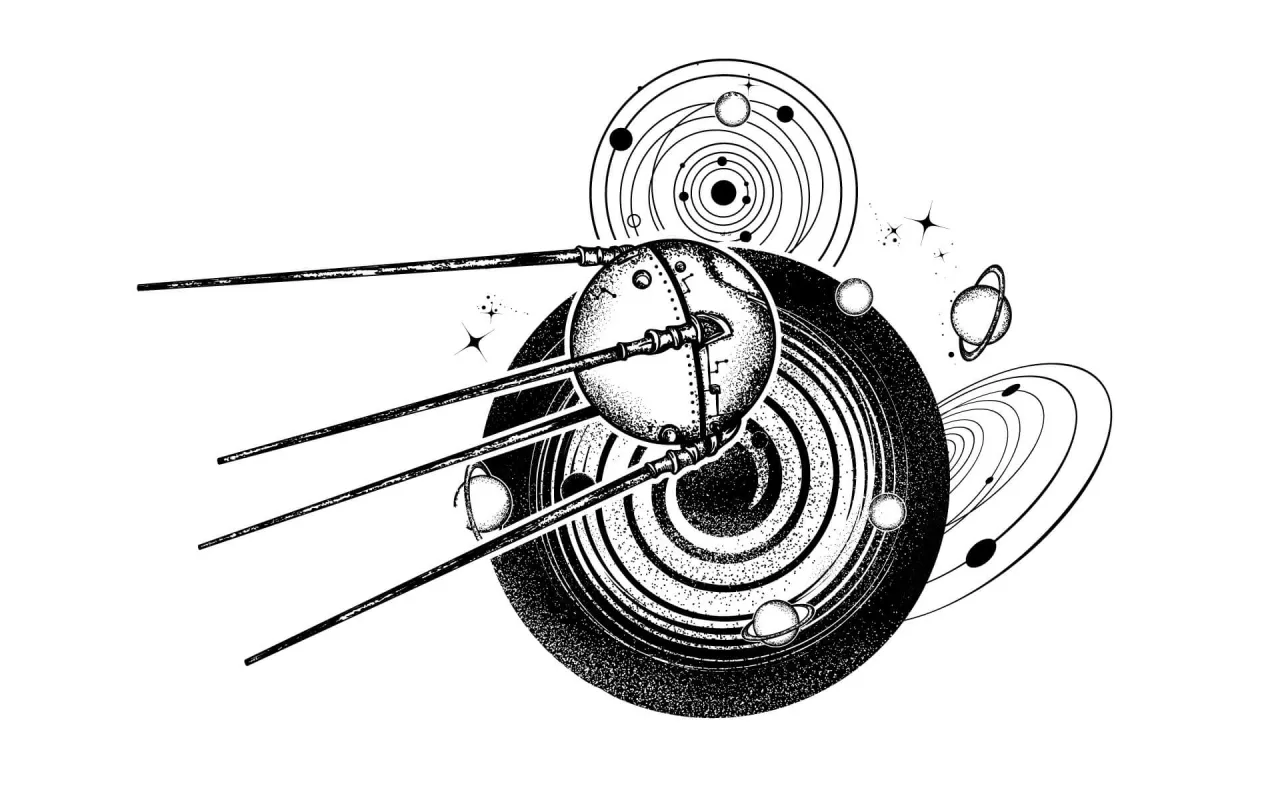
If you've reached twenty-eight or twenty-nine and started questioning your job, your relationship, the city you live in or your whole outlook on life, you're not alone. In astrology this period is called the Saturn return, and it is usually read as the first real threshold of adulthood. Saturn takes about 29.5 years to travel once around the zodiac. Whatever sign and degree it occupied at the moment you were born, your Saturn return begins when it comes back to that same point. Let's go through what this period means, which issues it can bring up and how you can meet it.
What is a Saturn return?
A Saturn return is when Saturn in the sky comes back to the point where Saturn sits in your birth chart. It is a type of transit, and it happens three times in a lifetime: at around 29, 58 and 88. The first is the one people talk about most, because it is when most of us take stock of our lives as a whole for the first time. To see the timing of your own return, you can use the transit chart tool.
What does Saturn represent?
In astrology, Saturn is the planet of time, limits, responsibility, structure and maturity. Interpreters often describe it as a strict teacher: it won't hand you easy answers, but it shows you what is truly solid. The sign Saturn occupies in your chart shows the style in which these lessons are taught, and its house shows the area of life where they will concentrate. For a general description of the planet, take a look at the planets guide.
When does it start and how long does it last?
A Saturn return isn't an event that happens on a single day. Its effects are felt as Saturn approaches its natal position, passes over it and moves away from it. Because the planet moves retrograde for part of each year, it often crosses the same degree three times, so the period can last two and a half to three years. Most people feel the intensity somewhere between ages twenty-seven and thirty. The exact timing varies from person to person, depending on the degree of Saturn in the birth chart.
Which issues come up?
No two people experience a Saturn return in the same way. Still, these themes come up often:
- Career: The question of whether your work is truly yours, or pressure to specialise and get promoted.
- Relationships: The need to take a serious step in a relationship that is moving forward, or to leave one that really doesn't fit.
- Living situation: Decisions about independence, such as moving, buying a home or setting up a life of your own.
- Identity: Letting go of roles shaped by other people's expectations and turning towards your own values.
- Family: Redefining your relationship with your parents and setting the boundaries you need.
- Physical and mental resilience: Imbalances around fatigue, sleep and lifestyle may become more visible.
The three phases of the period
It helps to think of the Saturn return as a process rather than an event. In the first phase, roughly a year before the return, a sense that your current setup no longer works begins to surface, and small frustrations pile up. The middle phase comes when Saturn reaches its exact position, and it often brings moments of decision: leaving a job, getting serious about a relationship or ending it, setting out on a new path. In the final phase the new order settles in, and as Saturn moves away it becomes clear what will last. This structure may not unfold in the same order for everyone, but following your own process through these three steps offers a meaningful map.
Saturn's sign and house
How your Saturn return plays out is closely tied to Saturn's position in your birth chart. If Saturn is in the seventh house, questions of responsibility, partnership and commitment in relationships may come to the fore. If it's in the tenth house, career and social standing take centre stage. If it's in the fourth house, issues around family, home and roots are worked through. You can learn what each house means in the houses guide. For the traits of Capricorn, the sign Saturn rules, see the Capricorn page.
The element Saturn falls in also sets a tone. In fire signs Saturn highlights self-confidence and authority, in earth signs work, money and practical order, in air signs ideas and the structure of relationships, and in water signs emotional security and family ties.
The hard side and the lessons
The Saturn return is often described as a crisis, but not everyone goes through a dramatic break. Some people remember this period more as a time of maturing, a feeling of "now I'm really an adult." Even so, it's worth acknowledging that the period can be draining. Saturn exposes what doesn't work; jobs, relationships or habits that can't be sustained often become impossible to carry during this time. It's possible to see this not as a punishment but as a chance to put your life on firmer ground.
It's also common in this period to feel "I'm running late" as you scroll through other people's lives on social media. Saturn's timing doesn't run at the same pace for everyone; rather than comparing, it's healthier to look at what Saturn says in your own chart.
How to meet this period
- Review the areas of your life. Which ones give you strength, and which ones drain you? Make an honest list.
- Set realistic, small goals. Saturn rewards steady steps far more than big leaps.
- Clarify your boundaries. Know how much time and energy you give to whom and to what.
- Plan for your responsibilities instead of running from them. This brings particular relief in areas such as budgeting, work and health.
- Ask for support. Talking to someone you trust, or getting help from a professional when needed, can be one of the most valuable steps you take in this period.
Astrology is not a substitute for psychological or medical treatment. If you're experiencing intense anxiety, insomnia or symptoms of depression, the right step is to see a health professional.
The second and third Saturn returns
The second Saturn return happens roughly between ages 56 and 60. During this time many people reflect on the second half of their career, questions about retirement and the legacy they want to leave behind. The third return falls roughly between ages 85 and 90 and is usually described as a time to look back and assess life as a whole. Each return opens a new conversation with the same planet, but each one arrives at a different stage of life.
After the return
When the Saturn return is over, many people feel clearer and less scattered. Knowing what you want, what you don't want and how much you can handle is the most lasting gift Saturn leaves behind. It can be hard to see this while you're in the middle of it; most people only notice it looking back.
To explore Saturn in your own chart in more detail, you can create your chart on the birth chart page. You can follow where Saturn is in the sky right now on the sky today page. And if you're curious about what lies ahead and what your chart shows for the coming years, it may be interesting to look at the progression chart too.
Frequently asked questions
At what age does the Saturn return happen?
The first Saturn return happens roughly between ages 27 and 30, the second between 56 and 60, and the third between 85 and 90. Because Saturn takes about 29.5 years to travel around the zodiac, the period repeats at these intervals.
Does the Saturn return mean a crisis for everyone?
No. Some people experience this period as a series of major breaks, while others feel only a sense of maturing. The effect varies depending on the sign, house and aspects of Saturn in the birth chart.
How long does the Saturn return last?
Because Saturn usually crosses the same degree three times, the period can last two and a half to three years. The intensity is mostly felt in the months when the planet is closest to your natal position.
- saturn return
- saturn
- age 29
- transit
- maturity

Comments
No comments yet. Be the first to share your thoughts.